Silicone Teething Mitten Glove: BPA-Free Self-Soothing
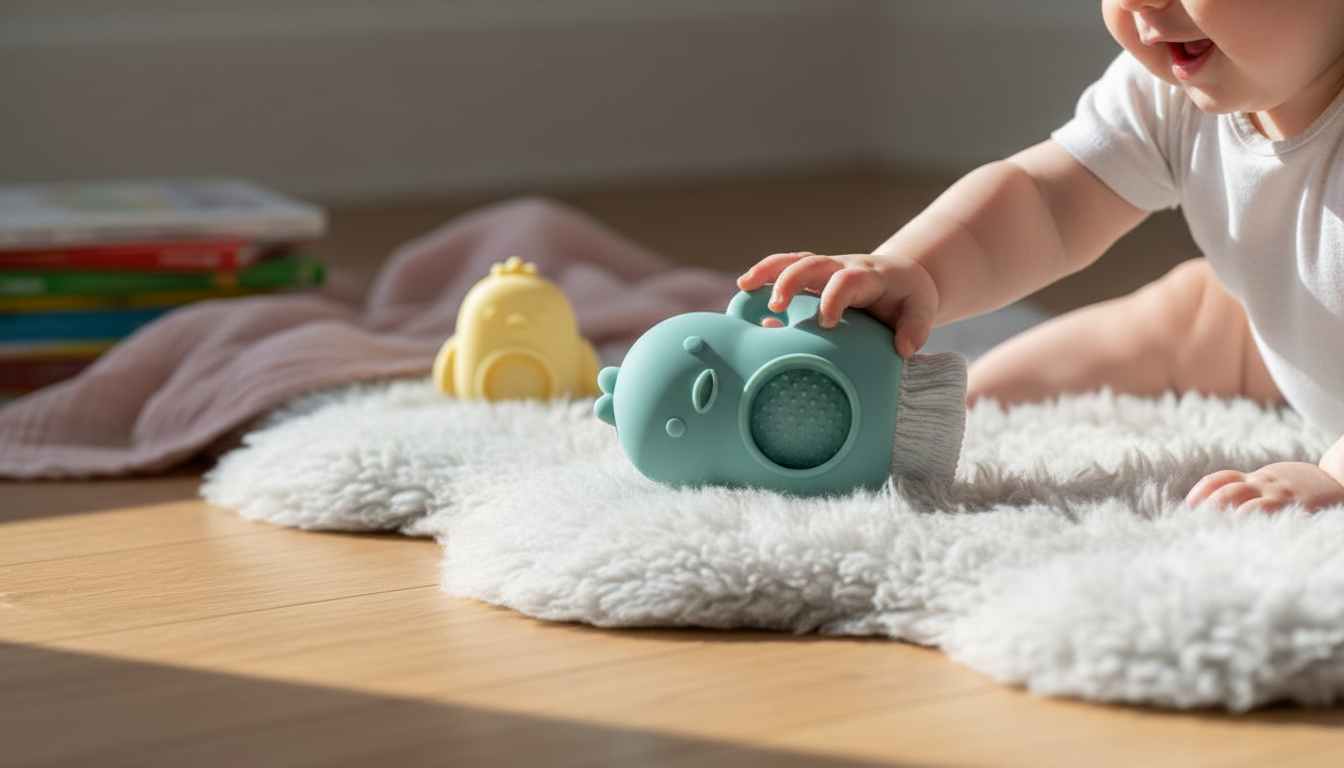
Silicone Teething Mitten Glove: A Hands-On Soothing Teether for Babies
Teething can bring plenty of drool, gum tenderness, and constant hand-chewing—often right when babies are still learning how to hold onto toys. A silicone teething mitten glove offers a wearable, chewable surface that stays within reach, helping little ones self-soothe while keeping hands drier and reducing the “dropped teether” routine during busy days. For more guidance, see Munch Mitt & Chew Cube Duo – Red, Safe Teething Relief For Babies.
What a Teething Mitten Glove Does
A teething mitten is designed to meet babies where they already are: mouthing their knuckles, fingers, and the back of the hand. Instead of trying to keep a separate teether in place, the mitten becomes the teether. For further reading, see [PDF] Exhibit 6 Example Bath & Skincare Products.
- Provides a soft, chewable silicone surface designed for sore gums.
- Worn on the baby’s hand to reduce how often a teether is dropped or lost.
- Helps redirect chewing from fingers to a dedicated teething surface.
- Can support early hand-to-mouth coordination and independent soothing.
Many parents find a mitten especially useful during that in-between stage—when babies clearly want to chew, but gripping skills aren’t consistent yet.
Why BPA-Free Silicone Matters
Because a teether spends a lot of time in a baby’s mouth, material choice is more than a preference—it’s a practical safety consideration. BPA-free materials can reduce exposure concerns for items frequently mouthed. For more background, see the CDC’s overview on facts about BPA and the FDA’s information on BPA in food-contact applications.
- BPA-free materials reduce exposure concerns for items that spend time in a baby’s mouth.
- Food-grade silicone is typically chosen for its durability, flexibility, and non-porous feel compared with some plastics.
- A non-porous chew surface can be easier to wash thoroughly between uses.
- Look for clear care instructions so the teether can be cleaned frequently during heavy drooling phases.
When you’re washing something daily (sometimes more), silicone’s rinse-and-repeat friendliness can be a real advantage.
Comfort and Fit Features to Look For
The best teething mitten is the one a baby will actually keep on—comfortably. Fit and fabric details matter because babies may wear the mitten through playtime, stroller walks, and those fussy late-afternoon stretches.
- Secure closure: helps the mitten stay on without being uncomfortably tight.
- Soft fabric backing: can reduce skin irritation during long wear.
- Breathability: helps limit sweaty hands, especially during naps or warm weather.
- Size/age guidance: a mitten that’s too large may twist; too small may leave marks.
- Chew zone placement: positioned where babies naturally mouth their knuckles and fingers.
A quick fit check helps: you should be able to slide a fingertip under the closure, and the mitten shouldn’t rotate around the wrist when the baby wiggles.
When a Mitten Teether Is Especially Helpful
Some teething tools shine in specific situations. A mitten teether tends to be most helpful when convenience and consistency matter—when you need soothing to be available even if you’re not able to constantly hand something back.
- Babies who constantly chew hands or fingers and need a safer, dedicated chewing surface.
- Car rides or stroller walks where dropped teethers are hard to retrieve.
- Early teething stages before babies can reliably grasp and hold a standard teether.
- Busy moments when a wearable option helps keep soothing available with less intervention.
If you’re unsure whether symptoms are teething-related, the American Academy of Pediatrics offers a helpful overview of common signs and comfort measures on HealthyChildren.org.
Cleaning and Care Basics
Mitten vs. Other Teething Options
Quick comparison of common teething helpers
| Option | Best for | Main drawback | Care tip |
|---|---|---|---|
| Silicone mitten glove | Early self-soothing and fewer drops | Fit/comfort varies by baby | Clean often; inspect closure and seams |
| Handheld silicone teether | Babies who can grasp and bring to mouth | Gets dropped frequently | Wash after outings and drool-heavy use |
| Chilled teether (as directed) | Temporary cooling relief | Not every baby likes cold; avoid over-chilling | Use per instructions; keep clean in fridge container |
| Teething cloth | Gentle chewing and wiping drool | Soaks quickly; needs frequent washing | Machine-wash and fully dry between uses |
Safe Use Tips
Product Spotlight: Silicone Baby Teething Mitten Glove
If your baby’s hands are already their favorite “toy,” a wearable teether can be an easy upgrade. The Silicone Baby Teething Mitten Glove BPA Free Chewable Teether Toy is designed to give babies a chewable silicone surface right where they naturally mouth their hands, helping reduce dropped teethers during errands, walks, and car rides.
When teething discomfort eases and baby is ready for calmer play, pairing soothing time with a simple hands-on activity can help reset the mood. The Wooden Astronaut Puzzle Board Montessori Learning Toy offers an easy, screen-free option for quiet-time routines.
FAQ
What age is a teething mitten glove best for?
Many babies benefit during the early teething months, often around 3–9 months, especially before they can reliably hold a handheld teether. Check the product’s sizing guidance, make sure the fit is secure and comfortable, and use with supervision since development varies from baby to baby.
How often should a silicone teething mitten be cleaned?
Clean it before first use and then frequently during active teething—often daily or after heavy drooling, outings, or contact with the floor. Always follow the care label for both the silicone and fabric portions, and inspect regularly for wear.
Is it safe for a baby to sleep with a teething mitten on?
Remove the mitten for sleep unless the manufacturer explicitly states it’s approved for sleep use. Supervision is important for any wearable teething item, and safe-sleep guidance should always come first.










Leave a comment