Baby’s First Cold: Comfort Checklist + Red Flags

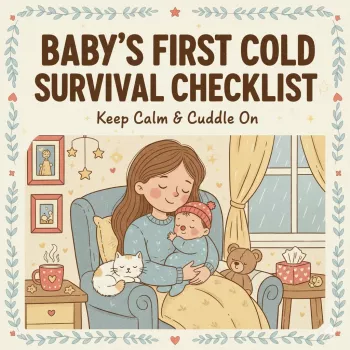
Baby’s First Cold Survival Checklist: Keep Calm & Cuddle On
A first cold can feel overwhelming—especially when sleep is already short and every sniffle sounds dramatic. A simple plan helps: know what’s normal, focus on comfort and hydration, watch for red flags, and track changes so a pediatrician can advise quickly if needed. For more guidance, see The Newborn Manual A practical guide for new parents.
For medical guidance on typical cold symptoms and home comfort measures, it can help to cross-check trusted references like American Academy of Pediatrics (HealthyChildren.org) and the CDC. For further reading, see Mama&Heart – Guides & Product Picks for New Moms.
What a first cold usually looks like (and what it doesn’t)
Most baby colds start quietly and then get louder (sometimes literally). Early signs often include a stuffy or runny nose, sneezing, a mild cough, fussiness, a slightly reduced appetite, and more disrupted sleep than usual.
Many colds peak around days 2–3 and then gradually improve over about 7–10 days. A mild cough can linger longer, especially at night when mucus drips and irritates the throat. That timeline is one reason tracking trends (better vs. worse) is often more useful than judging a single rough night.
Colds are caused by viruses, so antibiotics won’t help unless a clinician diagnoses a bacterial infection on top of the viral illness. If symptoms change sharply—like new ear pain, a higher fever, or a cough that becomes more intense—calling for advice can clarify whether an exam is needed.
Also, noisy breathing can be scary. Congestion can make babies sound snorty or raspy even when they’re getting enough air. Instead of focusing on the sound alone, watch how your baby looks and functions: Are they feeding? Do they stay a normal color? Do they settle with comfort measures? Those clues matter.
Keep calm basics: the comfort-first plan
For most uncomplicated colds, the goal is comfort and hydration while your baby’s immune system does its work.
- Clear the nose before feeds and sleep: Saline drops or spray can loosen mucus; gentle suction can remove it. Aim for “enough to help,” not “perfectly clear,” since frequent suction can irritate tiny nasal passages.
- Use humidity wisely: A cool-mist humidifier can ease dryness and loosen congestion. Clean it regularly (following the manufacturer’s directions) to reduce mold or bacteria buildup.
- Prioritize fluids: Continue breastmilk or formula. If feeding is tiring due to congestion, smaller, more frequent feeds can be easier to manage.
- Lean into rest and closeness: Extra cuddles, upright holding, and calm lighting can reduce distress and help baby relax. (If baby falls asleep in your arms, always transfer to a safe sleep space.)
- Avoid multi-symptom cold medicines: Many over-the-counter cold products are not recommended for young children unless a clinician specifically directs their use.
The survival checklist: what to do morning, day, and night
Morning reset
- Do a quick “whole-baby” check: breathing effort, alertness, and overall comfort.
- Take a temperature only if baby feels warm or is acting unwell (or if your pediatrician advised monitoring).
- Note diaper output: wet diapers are a simple hydration clue.
- Use saline + suction before the first bigger feed to make eating easier.
Daytime rhythm
- Keep fluids front and center: offer regular feeds, and don’t be surprised if baby prefers shorter “snack” feeds.
- Expect naps to be choppier if congestion wakes baby. Try a calm reset (upright holding, dim lights) rather than forcing a long stretch.
- Use gentle steam: sitting in a warm, steamy bathroom for a few minutes can loosen mucus. (Skip putting baby in the shower.)
Nighttime setup
Comfort tools to keep within reach
Track symptoms so decisions feel clearer
| Day | Main symptoms | Temperature (if taken) | Feeding & wet diapers | Notes |
|---|---|---|---|---|
| Day 1 | Runny nose, sneezing | — | Normal feeds; 6+ wet diapers | More clingy; slept in short stretches |
| Day 2 | Stuffy nose, mild cough | 99.8°F (37.7°C) | Smaller feeds; 5–6 wet diapers | Saline + suction before feeds helped |
| Day 3 | Congestion peak, nighttime cough | 100.4°F (38°C) | Frequent feeds; 5 wet diapers | Called pediatrician for guidance |
When to call the pediatrician (and when to seek urgent care)
Using a printable checklist when sleep is short
If you want something ready to print and reuse, the Baby’s First Cold Survival Checklist: Keep Calm & Cuddle On (Printable Digital Download) can be reprinted for future colds or shared with grandparents and babysitters.
Helpful picks for a rough sick-day stretch
- Baby’s First Cold Survival Checklist: Keep Calm & Cuddle On | Printable Digital Download | How to Handle Baby’s First Cold Guide for Parents (a quick-reference plan for morning/day/night plus warning signs)
- Wooden Astronaut Puzzle Board Montessori Learning Toy (a quiet distraction for older siblings while you focus on baby’s feeds and naps)
- Boys Tracksuit Set with Zipper Coat & Pants – Casual Autumn Outfit (an easy, cozy layer option for brisk days—aim for comfort and avoid overheating indoors)
FAQ
How long does a baby’s cold usually last?
Many baby colds improve over about 7–10 days, often peaking around days 2–3. A mild cough can last longer, so it helps to track whether symptoms are trending better overall and call your pediatrician if they worsen or don’t improve.
Is a humidifier safe for a baby with a cold?
Cool-mist humidifiers are generally recommended for babies because they add moisture without hot steam. Place it out of reach, use it as directed, and clean it regularly to help prevent mold or germs from building up.
What are the most important warning signs during a baby’s first cold?
Breathing difficulty, dehydration signs (fewer wet diapers, very dry mouth), unusual sleepiness or trouble waking, and color changes (bluish/gray lips or face) are key red flags. Fever concerns can be age-specific for infants, so follow pediatric guidance and seek urgent care for severe symptoms.









Leave a comment