Highly Sensitive Child vs Autism: Key Differences

Is a Highly Sensitive Child the Same as Autism?
No. A highly sensitive child (often described as having “sensory processing sensitivity”) is not automatically autistic. High sensitivity is a temperament trait—how strongly a child notices and reacts to stimulation—while autism is a neurodevelopmental condition with a specific pattern of social-communication differences and restricted or repetitive behaviors.
That said, some autistic children are also highly sensitive, and some highly sensitive children may show behaviors that look similar on the surface. When a child is overwhelmed, the result can be meltdowns, withdrawal, or avoidance—whether the root cause is sensitivity, autism, anxiety, ADHD, or something else.
How High Sensitivity Can Look in Daily Life
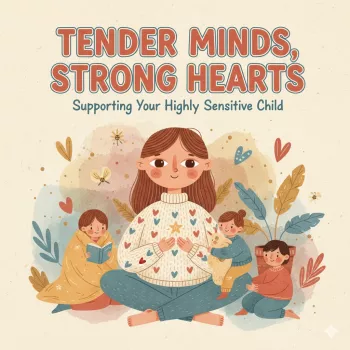
Highly sensitive kids may react strongly to bright lights, loud sounds, scratchy clothing, strong smells, or busy environments. They often need more downtime after social activities, pick up on others’ moods, and may be deeply affected by criticism or conflict. These traits can exist alongside typical social development and flexible interests.
How Autism Is Typically Identified
Autism involves differences in social communication (such as back-and-forth conversation, nonverbal communication, or understanding social cues) plus restricted, repetitive patterns (such as repetitive movements, intense narrow interests, strong need for sameness, or sensory differences). Symptoms start early in development and affect daily functioning across settings.
Why They Get Confused
Both highly sensitive and autistic children may have sensory sensitivities and feel easily overwhelmed, especially in unpredictable or crowded places. The key difference is the broader developmental pattern: autism affects social-communication and behavior in consistent ways, not only during stressful moments. A sensitive child may recover quickly with rest and reassurance, while an autistic child’s differences are usually present even in calm environments.
What to Do if You’re Unsure
If sensitivities are causing frequent distress at school, home, or in friendships, consider discussing concerns with your pediatrician and asking about an evaluation. Early guidance can help—whether the outcome points to autism, sensory processing challenges, anxiety, or temperament.
For a deeper, parent-friendly breakdown and next steps, visit the full guide on highly sensitive children and autism.
FAQ
Can a highly sensitive child have sensory issues without autism?
Yes. Sensory sensitivities can occur without autism, and some children are simply more reactive to noise, textures, or crowds. Supportive routines and coping strategies can reduce overwhelm even when autism is not present.









Leave a comment