Potty Training for Toddlers: Simple, Calm Step-by-Step
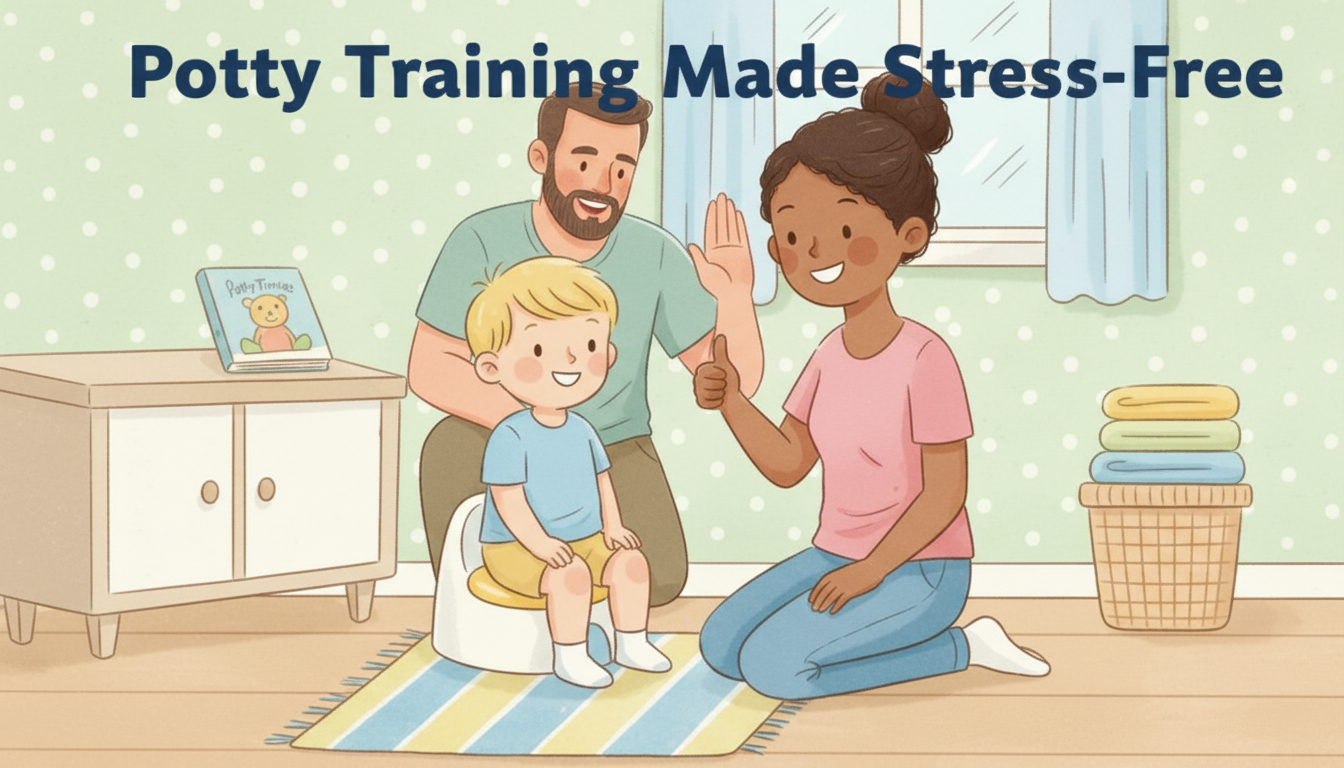
Potty Training Made Simple and Stress-Free for Toddlers
Potty training tends to go better when timing, tools, and expectations match a toddler’s readiness. Instead of chasing a perfect “deadline,” aim for calm, repeatable steps: prepare without pressure, create a predictable bathroom routine, and treat accidents as normal feedback. The goal isn’t perfection on day one—it’s steady confidence for your child and less stress for you.
Start with readiness (not a deadline)
Look for a cluster of readiness signs rather than a single milestone. Many toddlers do best when they can stay dry for longer stretches, notice when they’re wet or dirty, and show curiosity about the bathroom. Emotional readiness matters too: being able to tolerate small changes, accept simple directions, and bounce back after frustration.
Try to choose a low-stress window (fewer trips, fewer big transitions). If your toddler becomes anxious or strongly resists, it’s often kinder—and faster in the long run—to pause, reset for a week or two, and restart with a lighter touch. For additional guidance on timing, see the American Academy of Pediatrics’ overview on the right age to start potty training.
Readiness signs and what to do next
| Readiness sign | Why it matters | Simple next step |
|---|---|---|
| Stays dry for 2+ hours or wakes from nap dry | Bladder control is developing | Offer potty sits at natural transitions (wake-up, before bath) |
| Can pull pants up/down with help | Supports independence | Practice clothing skills during playtime with easy waistbands |
| Shows discomfort with dirty diaper | Awareness of elimination | Name the feeling and invite a potty sit after diaper changes |
| Follows 1–2 step directions | Supports routine learning | Use the same short cue: “Pee goes in the potty.” |
| Curious about toilet or caregivers’ bathroom use | Motivation/interest | Let them watch flushing and handwashing, then offer a try |
Set up a calm potty-training environment
Pick a setup that helps your toddler feel stable and secure: a floor potty can feel less intimidating, while a toilet seat reducer paired with a sturdy step stool can support good posture and confidence. Whatever you choose, make the routine simple and repeatable: potty → wipe (with help) → flush → wash hands → return to play.
Dress for success. Loose pants and elastic waistbands reduce last-second struggles and help toddlers learn the “down and up” sequence quickly. A two-piece outfit with an easy zipper or waistband can make bathroom trips smoother when you’re out of the house—options like the Boys Tracksuit Set with Zipper Coat & Pants – Casual Autumn Outfit can be easier to manage than complicated layers.
Choose one neutral phrase and stick to it (“Potty time,” or “Pee goes in the potty.”). Avoid pressure-heavy language that turns the bathroom into a performance.
A step-by-step plan for the first few days
Day 0 (prep)
Introduce the potty like it’s a normal part of the house. Read a potty-themed book and let your toddler sit fully clothed for 10–20 seconds to practice the feel. Keep it upbeat and brief.
Day 1
Increase opportunities without hovering. Offer potty sits at predictable transition points: after waking up, before/after meals, before leaving the house, and before bath. If it helps, set a timer for gentle reminders during the first couple days, then fade it out as your toddler starts initiating.
How to respond
Praise effort and attempts (“You sat and tried!”) rather than only results. Keep potty sits short—often 1–2 calm minutes is enough. If an accident happens, stay neutral, help with cleanup, and move on. Big reactions (even “big disappointed” ones) can add pressure and make toddlers avoid the potty.
For a deeper, step-by-step sequence you can revisit during different phases, the Potty Training Made Simple and Stress-Free for Toddlers (digital download) is designed as a quick-reference guide with readiness signs, methods, and troubleshooting.
Choose a method that fits your toddler’s temperament
There isn’t one “right” approach—there’s the one your toddler can practice without constant conflict.
Handling accidents and setbacks without stress
Constipation can derail everything. Painful stools may lead to withholding, which increases accidents and anxiety. Prioritize fluids, fiber, and movement, and seek medical guidance if constipation persists. The Mayo Clinic’s potty training guide also highlights how routine and patience support long-term success.
Night training and naps: a separate skill
If your child starts waking dry consistently, you can trial underwear at night with a waterproof mattress cover and a calm plan for accidents. Bedwetting is common and usually improves with time; the NHS potty training tips offer helpful, low-pressure reminders.
A simple way to stay consistent (even on busy days)
If you use rewards, keep them small and immediate (a high-five, a sticker) and fade them over time so confidence becomes the main motivator. A small “after potty” activity can also smooth transitions—something like a quick turn with the Wooden Astronaut Puzzle Board Montessori Learning Toy can be a calm reset after a try.
FAQ
What age should a toddler start potty training?
Readiness matters more than age, but many toddlers show signs sometime between 18 months and 3 years. Starting before key readiness signs are in place can increase stress and lead to more setbacks.
How long does potty training usually take?
Some toddlers learn the basics in a few days, but consistent independence often takes weeks to months. Temperament, routine consistency, daycare alignment, and constipation can all affect the timeline.
What should be done if a toddler refuses to sit on the potty?
Reduce pressure and make sits short, predictable, and tied to transitions (like after waking or before bath). Offer simple choices, model the routine, and consider a brief pause if refusal seems rooted in anxiety.











Leave a comment