Do Heavyweight Jackets Feel Heavy? Comfort, Fit & Warmth
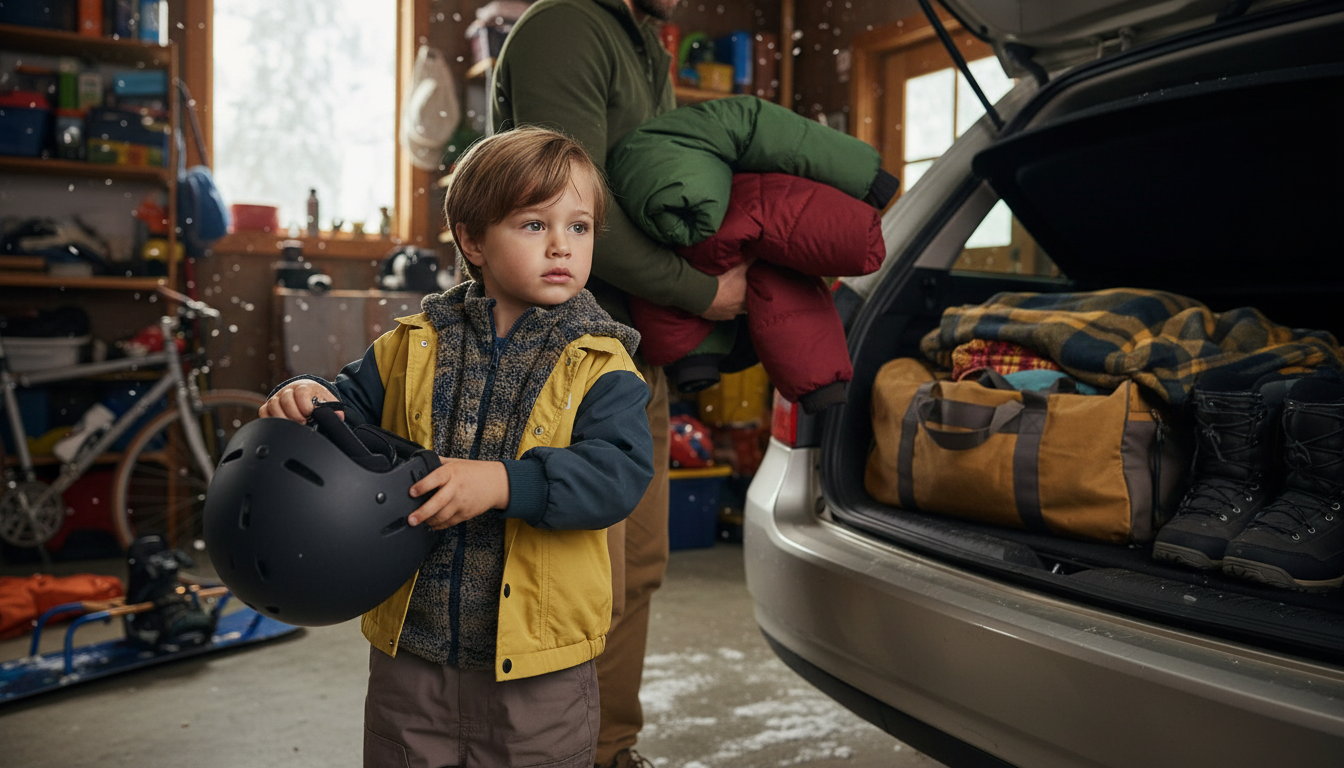
Will a heavyweight jacket be heavy to wear?
Not always. A “heavyweight” jacket usually refers to warmth, insulation, and fabric durability—not just the number on the scale. Many heavyweight styles feel substantial in your hands but still wear comfortably because the weight is distributed across the shoulders and torso, and the lining and cut are designed for movement.
What “heavyweight” typically means
Brands often use “heavyweight” to describe thicker shell materials (like dense canvas, wool blends, or heavyweight fleece) and/or more insulation. That can add ounces, but it also adds structure, wind resistance, and heat retention. In colder weather, that extra material can actually feel reassuring rather than burdensome.
When a heavyweight jacket feels heavy
A jacket is more likely to feel heavy when it’s long (more fabric), heavily insulated (thick fill), or has hardware like chunky zippers, snaps, and large pockets. Wet conditions can also make certain materials feel heavier. Fit matters too: a jacket that’s too tight in the shoulders or too long in the sleeves can feel more tiring because it restricts natural movement.
How to tell if it will be comfortable
Look beyond the “heavyweight” label and check the details. A well-designed jacket may include articulated sleeves, a slightly roomier armhole, or a balanced lining that prevents pulling. If you’ll wear it for commuting, shopping, or long outdoor stretches, comfort features—like a smooth lining over sweaters and a hem that doesn’t tug when you sit—can matter as much as total weight.
Choosing the right option for your use
If you run cold, spend time outdoors, or want a jacket that holds up to frequent wear, a heavyweight style can be a smart choice. If you prefer a barely-there feel or need easy packability, a lighter insulated jacket may suit you better. For more context on what to expect and how to compare options, visit the main guide on heavyweight jackets.
FAQ
Is a heavyweight jacket warmer than a lightweight jacket?
Often, yes, because thicker fabrics and added insulation usually trap more heat. However, warmth also depends on insulation type, lining, and wind resistance—not weight alone.











Leave a comment